
.svg)







.webp)








.svg)

Call Us
Need an urgent quote?
Call us to speak to a team member


Owning a car comes with ongoing responsibility. Regular maintenance is not just about keeping your vehicle looking good, it is about safety, reliability, and long term cost control. Cars that are well maintained are less likely to break down unexpectedly, use fuel more efficiently, and retain better resale value over time.
Many breakdowns on Australian roads are preventable. Low fluids, worn tyres, neglected brakes, and overdue servicing are common causes of roadside failures. Following a structured car maintenance checklist helps you stay ahead of problems before they turn into costly repairs or leave you stranded.
The Nationwide Towing Guide to vehicle maintenance offers a practical, easy to follow vehicle and car maintenance checklist that covers monthly tasks, seasonal checks, annual servicing, and warning signs that should never be ignored.
Monthly checks form the foundation of a general car maintenance checklist. These quick inspections can be done at home and take very little time, yet they play a major role in preventing damage.
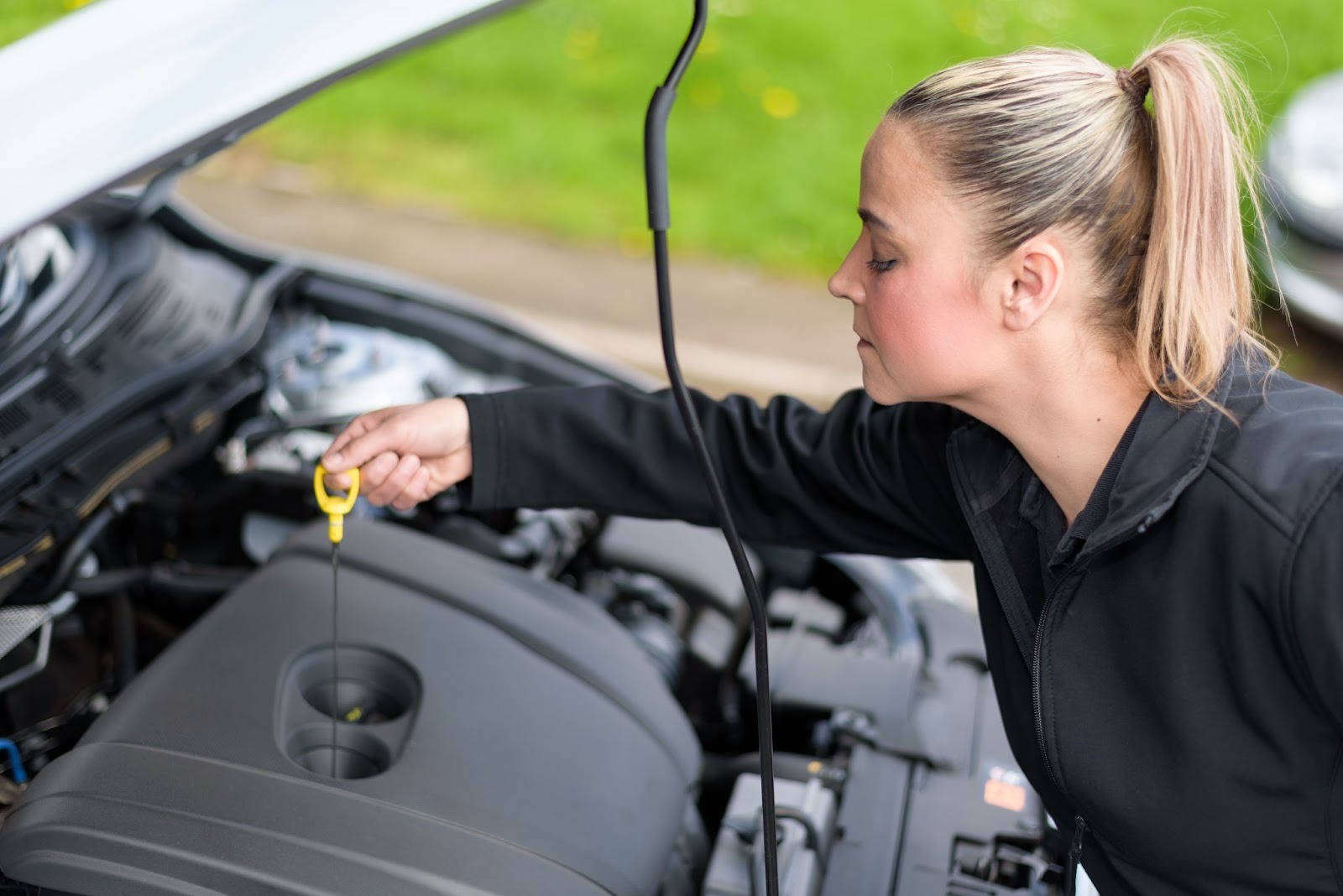
Use the dipstick to ensure the oil level sits within the recommended range and appears clean. Dark or gritty oil may indicate it is time for a change.
Low coolant can lead to overheating, which is one of the most common causes of breakdowns. Brake fluid, power steering fluid, and windscreen washer fluid should also be inspected regularly.
Check tyre pressure using a reliable gauge and inflate according to manufacturer specifications. Inspect for uneven wear, cracks, or bulges. Do not forget the spare tyre, as it is often overlooked.
This includes headlights, brake lights, indicators, and hazard lights. Faulty lights reduce visibility and increase the risk of accidents.
These checks are core components of any standard car maintenance checklist and can significantly reduce the risk of sudden failures.
Seasonal changes in Australia place different demands on your vehicle. Heat, rain, cold mornings, and long holiday drives all affect performance.
A clogged filter restricts airflow, reducing fuel efficiency and engine performance. Cabin air filters should also be checked to maintain air quality inside the vehicle.
Look for corrosion around terminals and ensure the battery is securely mounted. If your car struggles to start, have the battery tested.
This can help ensure even wear, extending tyre life and improving handling. Alignment should also be checked if you notice pulling or uneven wear.
This is especially important if they streak or squeak. Clear visibility is essential during heavy rain and dusty conditions.
These seasonal tasks are essential parts of a car service maintenance checklist and help your vehicle adapt to changing driving conditions.
An annual service is a critical part of responsible vehicle ownership. While many drivers handle basic tasks themselves, annual maintenance is best performed by a qualified mechanic.
Key annual maintenance items include:
Diesel vehicles require additional considerations, such as fuel filter replacement and monitoring of diesel particulate filters. A diesel car maintenance checklist should account for these components to avoid performance issues.
Annual servicing also allows mechanics to identify worn components early. Catching problems before failure reduces the likelihood of breakdowns and costly towing situations.
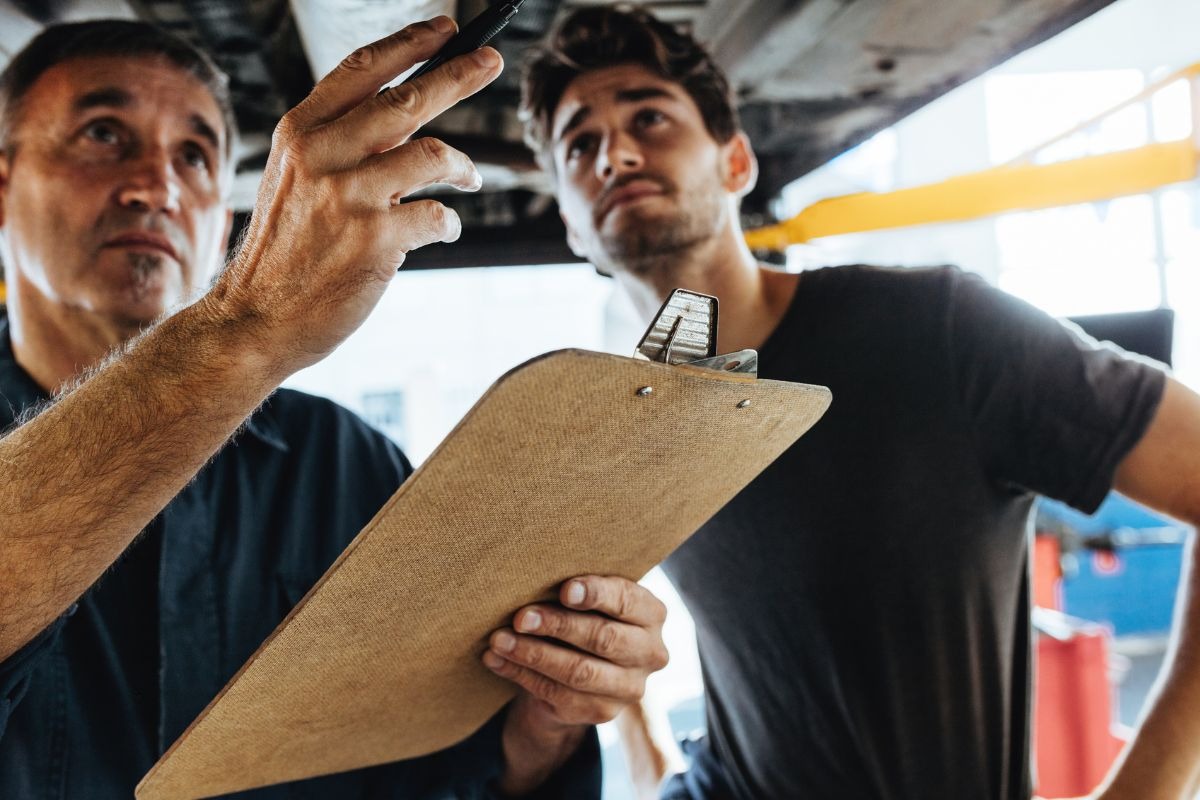
Even with a solid maintenance routine, issues can arise. Recognising warning signs early is critical.
Unusual noises such as grinding brakes, knocking engines, or whining transmissions should never be ignored. These sounds often indicate mechanical wear that can worsen quickly.
Warning lights on the dashboard are another key signal. Oil pressure, engine temperature, battery, and brake warning lights all require prompt investigation.
Leaks under the car are a serious concern. Oil, coolant, or transmission fluid leaks can lead to engine damage or sudden failure.
Changes in handling, braking response, or steering feel can indicate suspension or brake problems. If the car feels unsafe to drive, stop and seek professional help immediately.
Ignoring these signs increases the risk of a breakdown and can result in the need for roadside assistance or towing.
Many drivers follow a diy car maintenance checklist for basic tasks such as fluid checks, tyre pressure, and wiper replacement. These tasks are safe and cost effective when done correctly.
However, not all maintenance should be done at home. Brake servicing, suspension work, and complex diagnostics require specialised tools and training. Attempting advanced repairs without proper knowledge can create safety risks and void warranties.
A balanced approach works best. Handle simple checks yourself and rely on professionals for technical servicing. This ensures your vehicle remains safe, compliant, and reliable.
Using a car maintenance checklist template can help track what you do yourself and what requires professional attention.
Consistency is key. A general car maintenance checklist works best when followed regularly, not just when something feels wrong.
Create reminders for monthly checks and seasonal tasks. Keep service records and note any recurring issues. This information is valuable for mechanics and helps identify patterns early.
If you drive long distances, tow trailers, or operate in harsh conditions, increase the frequency of checks. Vehicles used for work or frequent travel experience greater wear and need closer attention.
A well maintained car is less likely to fail unexpectedly and more likely to perform reliably when you need it most.
Failing to maintain your vehicle can lead to serious consequences. Small issues such as low oil or worn tyres can escalate into engine damage, brake failure, or overheating.
Breakdowns often occur at the worst possible time, on busy roads, remote areas, or during bad weather. In many cases, neglected maintenance is the underlying cause.
Regular upkeep reduces the risk of being stranded and facing unplanned towing costs.
Following a structured car maintenance checklist is one of the best ways to protect your vehicle, your safety, and your budget. Monthly checks, seasonal inspections, and annual servicing work together to keep your car running smoothly.
Ignoring maintenance increases the risk of breakdowns, accidents, and expensive repairs. When vehicles fail unexpectedly, towing is often the only safe option.
If your car breaks down due to maintenance issues and cannot be driven safely, Nationwide Towing provides professional, reliable towing assistance when you need it most. Staying proactive with maintenance helps avoid these situations, but knowing expert support is available offers peace of mind on every journey.

Have you broken down or need urgent transportation?
Get in touch via phone or online form to arrange help!
If you believe your vehicle has been towed from a clearway, enter your registration below to check our records.
View our impound page for more info
.webp)


