
.svg)





.webp)






.svg)

Call Us
Need an urgent quote?
Call us to speak to a team member


Every car makes noise, but not all noises are normal. Some sounds are harmless, while others are warning signs that your vehicle needs immediate attention. Ignoring strange car noises can lead to costly repairs, mechanical failure, or a breakdown on the side of the road.
When your car is making weird noises, the best thing you can do is listen carefully, identify where the sound is coming from, and get it checked by a professional mechanic before it becomes a bigger problem. Below, we cover the most common car noises when driving, what they mean, and why you should never ignore them.
If you are wondering, “Why is my car making squeaking noises?”, it could be one of several issues. The most common cause is worn or loose drive belts, which control the alternator, power steering, and air conditioning. When these belts wear down, they can slip on the pulleys, creating a sharp squealing noise, especially when you start the engine or accelerate.
You might also hear squeaking noises from your brakes. Car noises when braking often indicate worn brake pads or warped rotors. This is not something to delay, as worn brakes can affect stopping distance and safety.
If you hear squealing from under the bonnet or while driving, book a mechanical inspection immediately. Replacing belts and brake pads early prevents much more expensive damage later.
A grinding noise can send a shiver down any driver’s spine, and for good reason. Grinding car noises often signal serious mechanical wear. If you hear grinding when you brake, it usually means the brake pads are completely worn down, and metal is scraping against metal. This can quickly destroy your rotors and compromise braking power.
Rattling, on the other hand, can come from loose parts in the exhaust system, suspension, or undercarriage. Over time, bolts and heat shields can vibrate loose, leading to consistent rattling noises when driving over bumps.
Both grinding and rattling noises should be inspected urgently. Ignoring them could turn a small repair into a full replacement job and leave you stranded needing emergency towing.
Hissing noises usually indicate something is leaking or overheating. You might hear a hiss after shutting off your engine, which can be a sign of coolant or oil escaping onto hot engine components. If left unchecked, this can lead to overheating and engine damage.
A popping or crackling sound coming from your exhaust system may point to unburnt fuel igniting in the tailpipe. Many drivers ask, “Why is my car making crackling noises?”, and often it is due to exhaust leaks, misfiring spark plugs, or a failing catalytic converter.
If you notice these car exhaust noises, have a professional inspect your exhaust system immediately. A damaged exhaust not only affects performance but can also increase harmful emissions and fuel consumption.
Knocking or pinging sounds are often caused by problems inside the engine. They occur when fuel in one or more cylinders detonates unevenly, producing that distinctive metallic ping. Common causes include:
If you hear these car driving noises during acceleration, it could mean your engine is not running efficiently. Persistent knocking can lead to internal engine damage if ignored.
A mechanic can diagnose the issue quickly by checking the ignition system, fuel quality, and timing. Always use the correct fuel grade recommended by your vehicle manufacturer.
A deep rumbling noise often comes from the exhaust or tyres. If your tyres are unevenly worn, under-inflated, or misaligned, they can create a rhythmic rumble as you drive. Likewise, a damaged muffler or exhaust pipe can produce low, booming noises that get louder during acceleration.
Whining noises are another common issue. Many drivers ask, “Why is my car making whining noises when driving?” The sound may come from a failing power steering pump, worn transmission bearings, or a low level of transmission fluid.
Whining from the rear of the car may also suggest a differential issue. These are not noises to ignore. They often worsen over time and can lead to full component failure, leaving you with a car that will not start or one that needs to be towed.
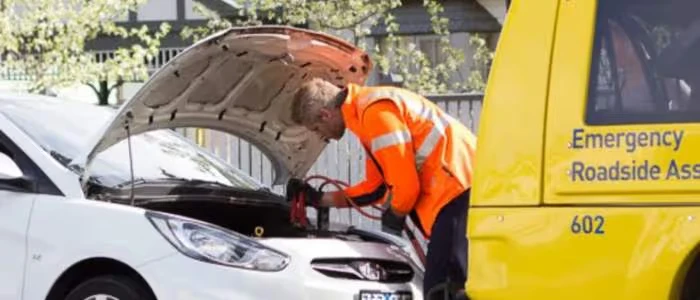
If your car will not start and makes clicking noises, the problem is usually a flat battery or faulty starter motor. The clicking sound is the starter solenoid engaging, but without enough electrical power to turn the engine over. Jump-starting the car may work temporarily, but you should have the battery and charging system checked as soon as possible.
A car making ticking noises while running could also point to low oil levels or valve train issues. Ticking from the engine indicates that components are not being properly lubricated, which can cause serious damage if ignored. Always check your oil level regularly and top up with the correct grade.
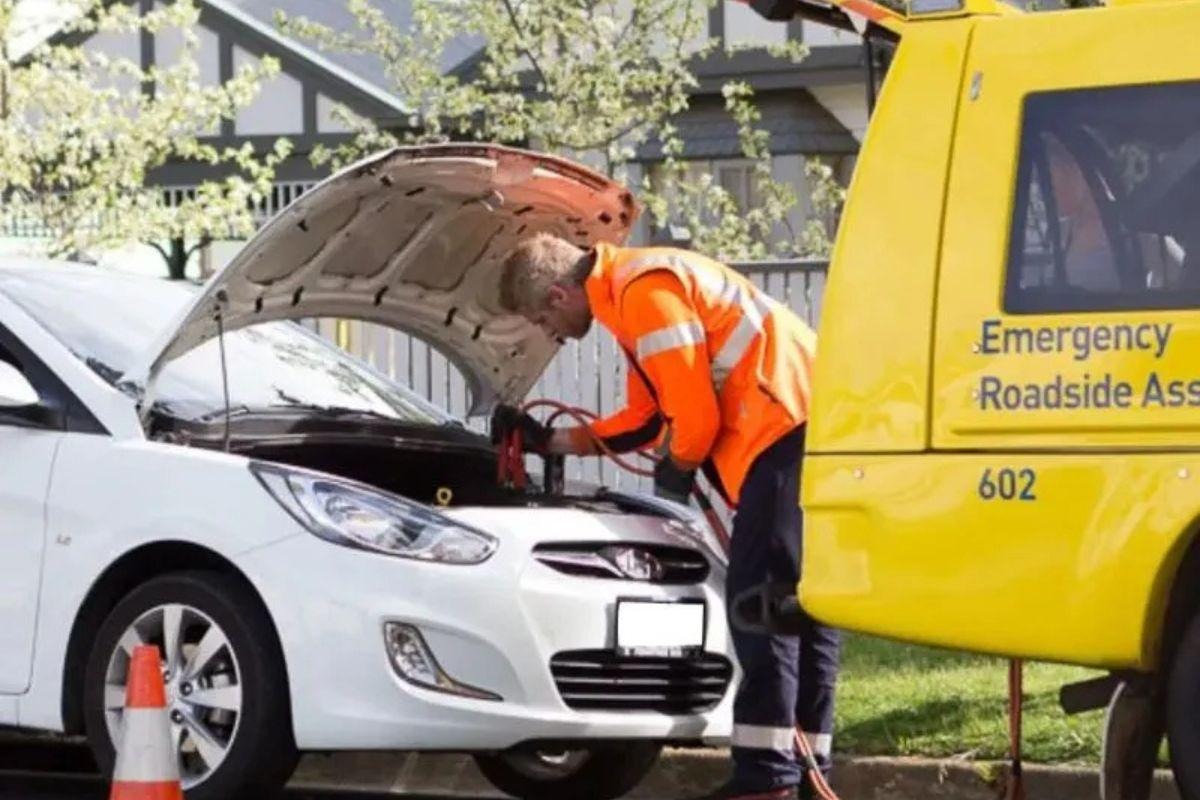
It can be unsettling to hear noises after shutting off your car, especially if it’s an unnatural gurgling or bubbling sound.
These sounds are often caused by coolant circulating through the cooling system as it cools down, or air trapped in the radiator. However, constant gurgling can also indicate a coolant leak or air pockets in the system that prevent proper circulation.
If your car is making noises after being turned off, have a mechanic check for coolant leaks, radiator issues, or water pump problems before they lead to overheating or engine failure.
Ignoring strange car noises can turn a minor issue into a major problem. Worn brakes can lead to complete brake failure, rattling exhausts can fall off while driving, and engine knocking can result in a blown engine.
Addressing noises early not only prevents breakdowns but also keeps your vehicle safe and efficient. Regular servicing, fluid checks, and tyre maintenance can help you spot early warning signs before they become dangerous or expensive.
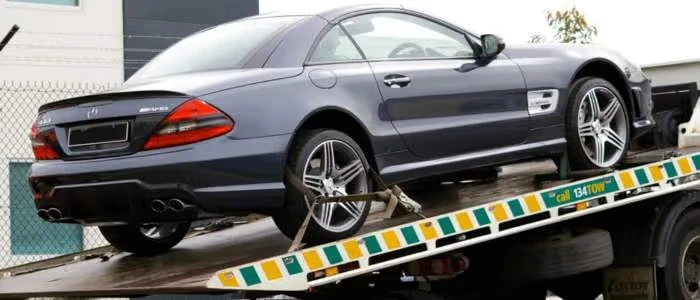
If your car is making loud noises, struggling to start, or you suspect serious damage, do not continue driving. Stop somewhere safe and contact a qualified mechanic or towing provider.
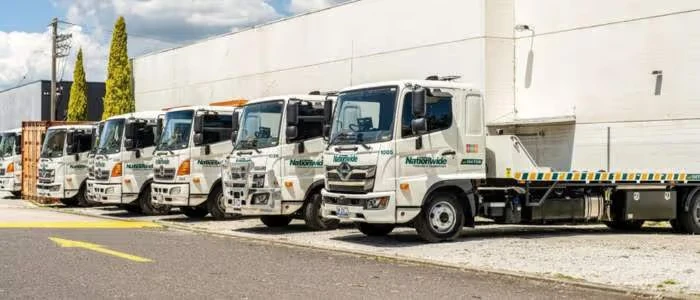
Professional towing services, such as Nationwide Towing & Transport, operate 24/7 emergency towing across Australia. Their experienced team can safely recover your vehicle and take it to a service centre for inspection.
Ignoring unusual car noises when driving can leave you stranded on the roadside. Acting quickly ensures your safety and protects your vehicle from long-term damage.

Your car talks to you through the sounds it makes. From squeaks to rattles, every unusual noise has a cause and a solution. Learning to recognise these warning signs can save you from expensive repairs and unexpected breakdowns.
If your car is making weird noises or showing signs of trouble, do not wait for it to fail. Listen to what your vehicle is telling you, and if the noise persists, contact Nationwide Towing & Transport on 134 869 for professional assistance and safe towing anywhere in Australia.

Have you broken down or need urgent transportation?
Get in touch via phone or online form to arrange help!
If you believe your vehicle has been towed from a clearway, enter your registration below to check our records.
View our impound page for more info
.webp)


