
.svg)



.webp)





.svg)

Call Us
Need an urgent quote?
Call us to speak to a team member

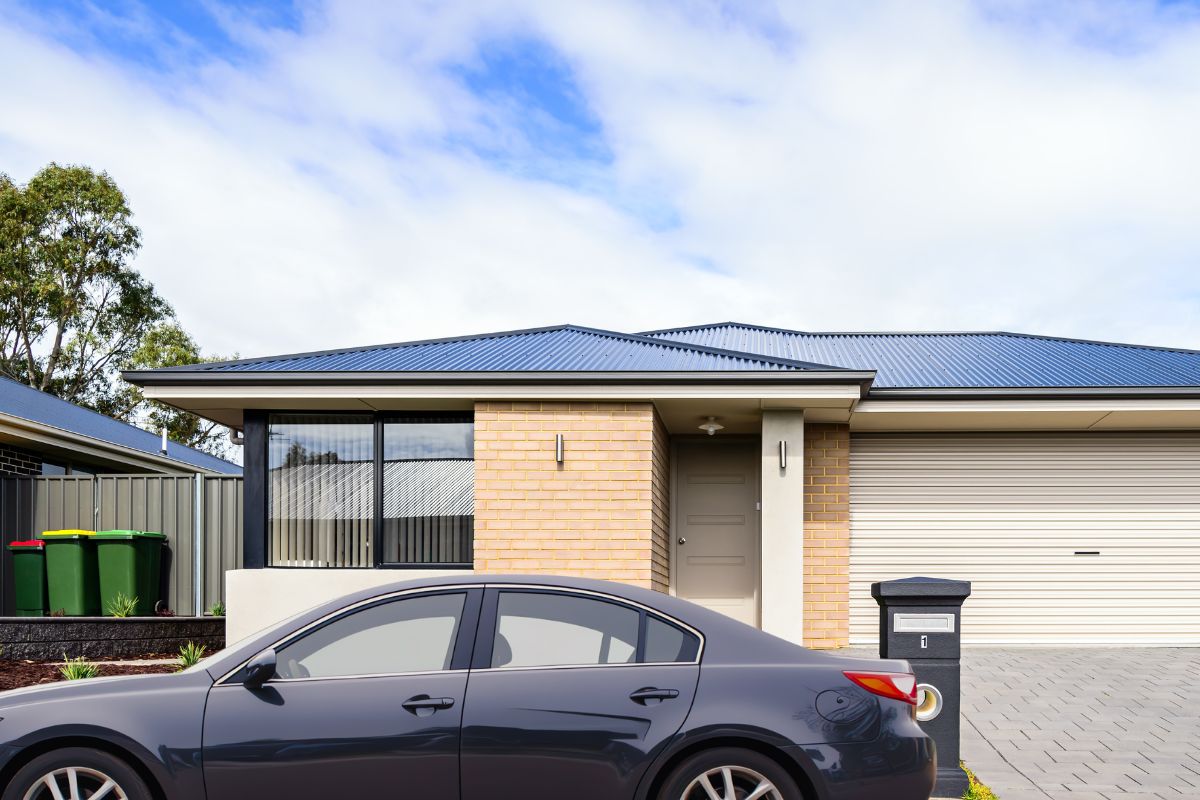
Few things irritate homeowners more than dealing with a car parked in front of their house for days or even weeks. It can block access, limit visibility, make it difficult to leave your driveway, or simply feel invasive when an unknown car is parked outside your home. Many Australians ask the same question in this situation: can you have a car towed that is parked in front of your house?
The short answer is sometimes yes, but often no, at least not directly. The rules around parking, towing, and enforcement depend on whether the vehicle is on public or private land, whether any parking laws are being broken, and which authority has jurisdiction.
Nationwide Towing is here to explain your rights, your options, and the correct steps to take when a car has been parked in front of your house for a week or longer.
One of the most important things to understand is the difference between public and private property. In most Australian suburbs, the road and the nature strip in front of your house are public land, even though you maintain or use them daily.
If a car is parked in front of your house on a public road, it does not belong to you, even if it feels like your space. This means you generally cannot arrange towing yourself unless specific parking laws are being breached.
Private property is different. If a car is parked on your driveway, in a private car park, or on land you legally own, unauthorised vehicles may be removed under certain conditions. However, even then, towing must follow local laws to avoid liability or disputes.
Most complaints about a parked car in front of house situations involve public roads, which brings council and police into the picture.
A car parked in front of your house is not automatically illegal. However, there are clear situations where parking becomes a violation under Australian road rules.
Common parking violations include:
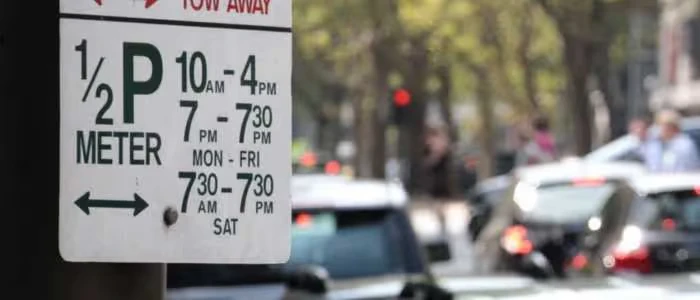
If a car parked illegally in front of your house is blocking your driveway, this is one of the clearest grounds for enforcement. Even if the car belongs to a neighbour or visitor, blocking driveway access is unlawful and can be fined or towed.
If a car has been parked in front of your house for days in Australia but is within legal limits, such as unrestricted street parking, it may not qualify for immediate removal.
Many homeowners assume they have the right to tow a car parked in front of their house. In reality, homeowners do not have the authority to tow vehicles from public roads.
Only authorised bodies such as councils, police, or contracted towing services acting under instruction can remove vehicles from public land. If you call a tow truck yourself and the vehicle is not legally towable, you could be exposed to legal claims for damages or unlawful interference.
Your legal rights as a homeowner include:
You do not have the right to self enforce towing on public roads, even if the car has been parked in front of your house for weeks.
Local councils play a major role in managing parking complaints. Each council has its own enforcement priorities, but the general process is similar across Australia.
If an unknown car is parked in front of your house and appears abandoned or unmoved for an extended period, councils can investigate. Signs of abandonment may include flat tyres, expired registration, damage, or debris accumulation.
Councils typically follow these steps:
Timeframes vary, but for a car parked in front of my house for weeks, council involvement is often the correct pathway.
For vehicles that are registered and legally parked, councils may have limited power unless local parking restrictions are breached.
Before asking how to report a car parked in front of my house, it helps to follow a structured approach. Jumping straight to towing can create more problems than it solves.
Only contact a towing service directly if instructed to do so by council, police, or strata management. Authorised towing ensures the removal is lawful and protects you from liability.

A common search is: car parked in front of my house for weeks or car has been parked in front of my house for a week. Duration alone does not always make parking illegal.
On unrestricted streets, vehicles may be parked for extended periods if they are registered, roadworthy, and not causing obstruction. However, councils may still investigate if residents raise concerns.
Long term parking becomes more actionable when combined with other issues such as:
In these cases, council enforcement is more likely to result in removal.
Towing companies do not have independent authority to remove cars from public streets. They operate under direction from councils, police, or property managers.
If you contact a towing provider and ask them to tow a car parked in front of your house without authorisation, they will usually refuse. Reputable towing companies follow strict legal processes to avoid disputes and penalties.
When towing is authorised, the towing provider acts as an enforcement partner, ensuring the vehicle is removed safely, documented properly, and stored according to regulations.

If you are dealing with a car parked in front of your house, the key is understanding your role and the limits of your authority. While the situation can be frustrating, especially when access is blocked or the car remains for days, towing must be handled through the correct channels.
You generally cannot tow a car parked in front of your house yourself unless it is on private property and clearly unauthorised. For public roads, councils and police are the appropriate authorities to assess and enforce parking laws.
If you need guidance on next steps or are dealing with an authorised tow situation, working with a professional towing provider ensures the process is handled legally and efficiently.
Nationwide Towing works with councils, authorities, and property managers to deliver reliable, compliant towing services when enforcement is required.

Have you broken down or need urgent transportation?
Get in touch via phone or online form to arrange help!
If you believe your vehicle has been towed from a clearway, enter your registration below to check our records.
View our impound page for more info
.webp)


