
.svg)











.webp)










.svg)

Call Us
Need an urgent quote?
Call us to speak to a team member

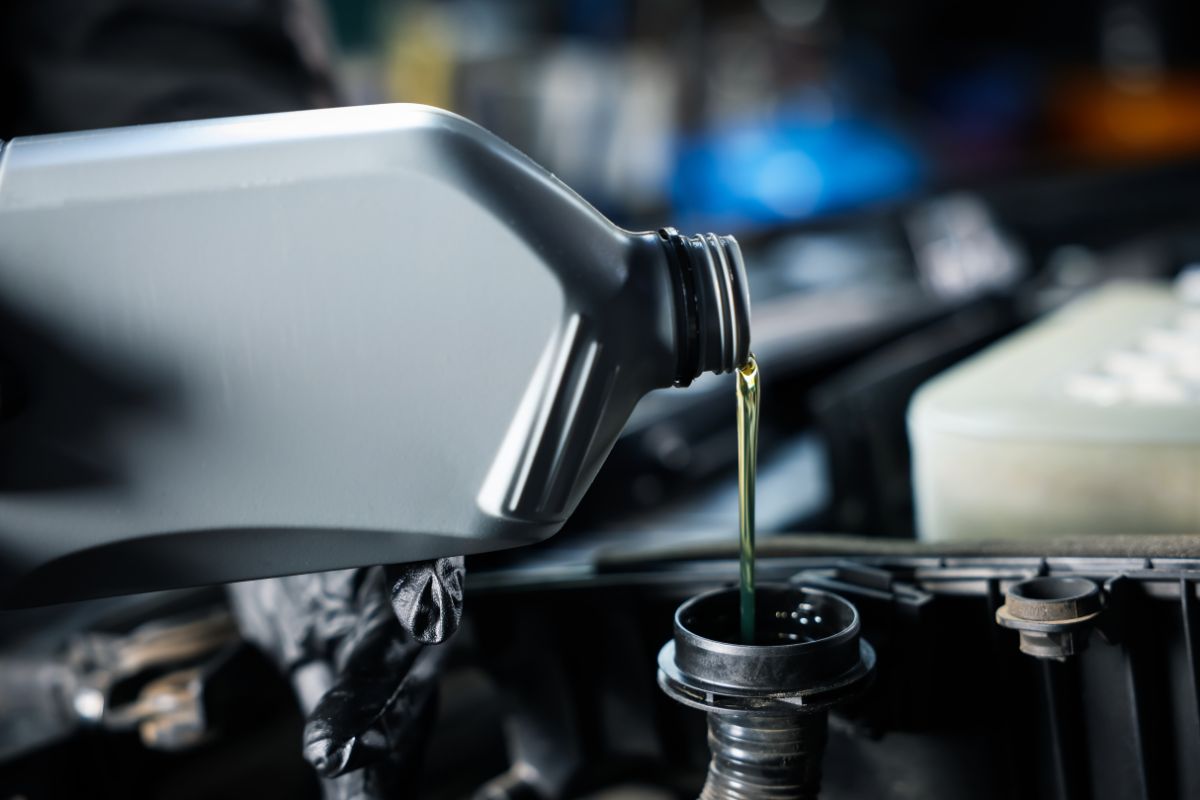
Changing oil in a car is one of the most important maintenance tasks you can perform, yet it is also one of the most misunderstood. Engine oil lubricates moving parts, reduces friction, carries heat away from critical components, and traps contaminants that would otherwise damage your engine. Skipping oil changes or doing them incorrectly can lead to poor performance, higher fuel consumption, and in severe cases, complete engine failure.
Many drivers choose to handle changing car oil themselves to save time or money. While this can be done safely, it is essential to understand the process properly before starting. Knowing what oil to use, how to stay safe, and how to recognise when oil needs changing will help protect your vehicle and avoid costly mistakes.
Below are seven key things every driver should know before changing oil in car engines. If you have any further questions, or have made a mistake and require a tow, get in touch with Nationwide Towing.
Not all engine oils are the same, and using the wrong type can do more harm than good. Your vehicle manufacturer specifies the correct oil viscosity and classification, which can usually be found in the owner’s manual or under the bonnet.
Oil viscosity refers to how thick or thin the oil is, often shown as numbers like 5W-30 or 10W-40. Using oil that is too thick can restrict flow, while oil that is too thin may not provide adequate protection. Modern engines are particularly sensitive to this.
You also need to decide between mineral, semi synthetic, and full synthetic oils. Older vehicles may run fine on mineral oil, while newer engines typically require synthetic options for proper performance and longevity.
If you are unsure, always follow the manufacturer’s recommendation. Choosing the right oil is a critical part of changing oil in a car correctly.

Before starting, make sure you have all the necessary tools. At a minimum, you will need an oil filter wrench, a spanner or socket for the drain plug, an oil drain pan, gloves, rags, and a funnel. Having everything ready reduces the risk of spills and rushed decisions.
Safety should never be overlooked. Here are the main things to be aware of:
It is also important to know how long to let a car cool before changing oil. Ideally, the engine should be warm but not hot. Waiting around 20 to 30 minutes after driving allows the oil to drain more easily while reducing the risk of burns.
Used engine oil is hazardous waste and should never be poured down drains, onto the ground, or into household rubbish. Improper disposal can cause serious environmental harm and may result in fines.
After draining the oil, transfer it into a sealed container, such as the empty oil bottle or a dedicated container. Most councils and automotive retailers in Australia offer free oil recycling services. Some service stations and mechanics also accept used oil.
Oil filters should be drained and disposed of correctly as well, as they contain residual oil. Proper disposal is a responsibility that comes with changing oil in car engines at home.
Knowing how to tell if car oil needs changing can prevent long term engine damage. Many vehicles have oil life monitoring systems or dashboard warning lights, but you should not rely on these alone.
Common signs include:
If your oil appears thick, gritty, or significantly darker than usual, it is likely overdue for replacement. Regularly checking oil levels and condition is just as important as changing oil in a car on schedule.
If your vehicle does not have enough clearance to access the sump plug, you will need to jack it up. This step carries risk if done incorrectly, so take it seriously.
Use a quality jack and always support the car with jack stands. Never rely on a jack alone. Consult your owner’s manual for the correct jacking points, as placing the jack incorrectly can damage the vehicle or cause it to slip.
Once the car is raised, gently rock it to ensure it is stable before getting underneath. Keep your body clear of pinch points and never rush this step. Safety during this stage is essential when changing oil in car engines at home.
Even experienced DIY mechanics can make mistakes. One common error is forgetting to replace the oil filter. While some ask: can you put oil in car without changing filter? The answer is technically yes, but it is not recommended. The filter traps contaminants, and reusing an old one can contaminate fresh oil immediately.
Another mistake is overtightening the drain plug or filter, which can strip threads or cause leaks. Tighten components to the manufacturer’s specified torque if possible.
Overfilling oil is also a frequent issue. Too much oil can cause foaming and increased pressure, leading to seal damage. Always check levels gradually and use the dipstick to confirm.
Finally, forgetting to reinstall the drain plug before adding new oil can result in a messy and costly error. Take your time and double check each step.
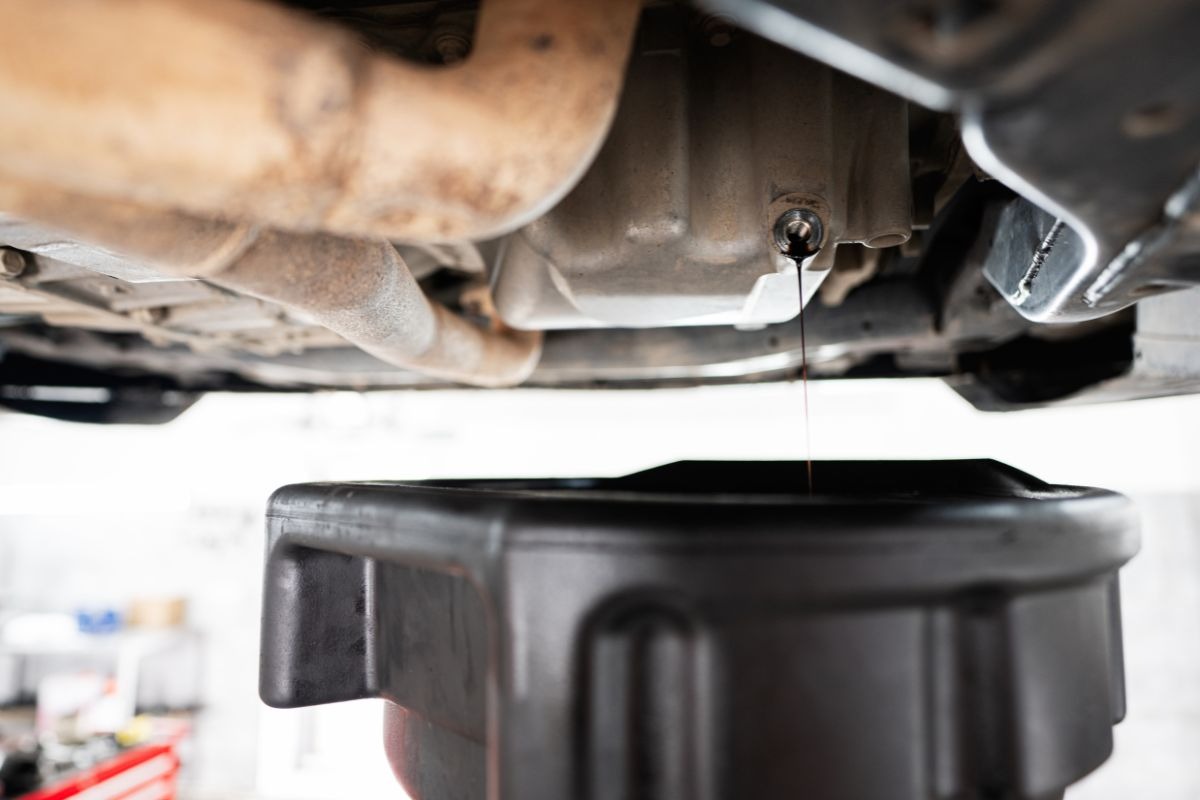
While changing oil in a car is manageable for many drivers, it is important to recognise when a job is beyond your comfort level. Difficult access, seized bolts, oil leaks, or warning lights after an oil change are signs to stop and seek professional help.
Ignoring these issues can quickly turn a simple oil change into a breakdown situation, especially if oil pressure is lost or components are damaged.
Regular oil changes are essential for keeping your engine healthy and avoiding costly repairs. Understanding the right oil to use, following safety procedures, and recognising warning signs can make changing car oil a smooth and effective task.
However, if something goes wrong during an oil change or oil related issues cause your car to break down, it is important to act quickly. Driving with low or contaminated oil can lead to serious engine damage. In these situations, contacting a professional towing company is the safest option.
Nationwide Towing provides reliable, professional towing services when vehicles break down unexpectedly. If your car fails due to oil issues or cannot be driven safely, Nationwide Towing can assist with prompt, experienced support to get your vehicle where it needs to go.

Have you broken down or need urgent transportation?
Get in touch via phone or online form to arrange help!
If you believe your vehicle has been towed from a clearway, enter your registration below to check our records.
View our impound page for more info
.webp)


